


Estimated reading time: 6 minutes
Your dreamed travel is coming. You’ve selected a sitter for your pets and you’re all packed to go. But there’s an important thing you must leave behind: a nice instruction list for the person minding your pets. It’s an often overlooked item, but it’s as important as your travel arrangements. It’ll detail how, when and how often your pet sitter will take care of special stuff that you – and only you know. Here are some tips from a pet sitting point of view that might help you next time you write one.
Key takeaways:
- Provide a clear instruction list for your pet sitter, detailing feeding times, routines, and special care needs.
- Use a simple, direct tone in your instructions and avoid attaching unnecessary pictures, keeping it concise.
- Include tips for accessing difficult areas and potential hiding spots to help the sitter locate your shy pets.
- Mention any special food, medications, or health concerns to ensure proper care during pet sitting.
- Keep the instruction list to one page, unless you have a large home or multiple pets with specific needs.
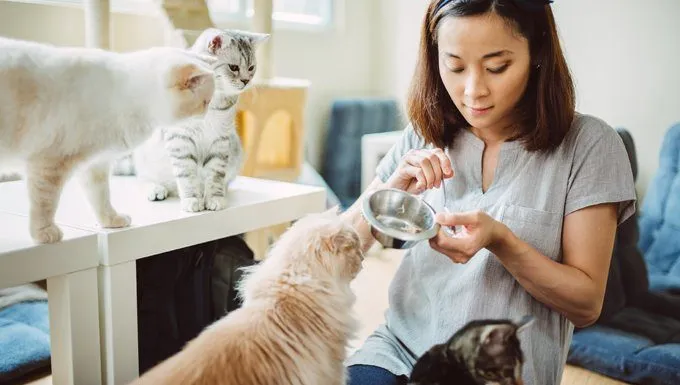
A simple, direct tone is always preferred
The first thing I do when I arrive for the first sit is to look for the sheet of paper that will guide me for the duration of the sit. It is usually on the table or the kitchen counter. Some tutors have important rules or even pet peeves they want to make sure to relay to the sitter, ranging from simple, such as usual feeding times to very detailed, such as places in which a cat likes to be petted or not.
It makes my job a lot easier when I read a bullet point list of instructions with a simple paragraph expanding each item. Such as:
- Intro
- Food / Water
- Litter
- Garbage Disposal
- Extra Chores
- Additional notes
- Important contacts / information

A instruction list without pictures is better
There are owners who will attach pictures of their pets, their ages and sex, but, to be honest, I usually study their pets a lot during the meet and greet, so I extract every bit of information about them I need to know. You can attach images of something really important such as hidden switches or even a diagram of how to shut off an important valve, or something.
It’s all about the pet’s behaviour
I as a pet sitter sometimes get lists that are concerned with the routine that the animals use to have. I assure you: once a pet sitter comes in the house, their routine will already change. We will do our best to follow it, but the pets will sense it anyway. What I often do is to establish my own pet sitting routine and they usually follow that with no major problems.
Give the pet sitter tips to access difficult to reach areas or eventual hiding spots
This one is especially important when cat sitting. Usually owners will forget to close secondary doors to the basements or attics, for instance. When dealing with shy cats, that’s usually an issue.
While doing pet sitting we of course understand shy cats need their hiding spots, they can’t be inaccessible for the sitter. Otherwise it’ll be extremely difficult for us to assess if the animal is eating / drinking or not (plus the animal will eat less under stress). We can take a look at the cat’s litterbox, but when you have several cats in the household, you just can’t be sure.
We also worked in a house in which the backyard door closed and locked after the person went for the garden. My wife Simone had to jump the garden side fence in order to access the house again.
Please send us codes or special instructions to access restricted areas of the house that need to be visited. Alternatively, just close off areas that make it easier for us to reach our shy felines.
If you have a list of familiar hiding spots, send us our way!
Don’t worry, we’ll let them be: we just want to make sure they’re ok.

Medicine, special food or health details are important for the pet sitter
Please relay with precision if the pet is eating a special food and what’s the exact dosage. Sometimes animals can steal each other’s food and oldies can be slower to eat, so we need to make sure they’re eating what they need to eat.
Any medicine should be disclosed during the pet sitting’s meet and greet. The instruction list would reiterate what was discussed then.
If you usually have any issues, such as water drinking problems, make sure to disclose it in writing so we can be aware and give an extra watchful eye.

Make sure to detail extra chores aside from pet sitting
If you have side work, such as watering plants, taking garbage out or bringing mail in – put that it in your instructions list. We are there to help!
Don’t forget important information
That’s another overlooked point. Tutors will forget to disclose critical info, such as alternate contacts, vet / insurance info and the presence of cameras. Door codes are especially important.
A one pager is always the best option
If your text is exceeding one page, I find it’s too long. The exception is if the house is big or if you have several animals or have multiple expected chores.
Key Takeaways
I hope all these tips will help you to have a pleasant time away and your pet sitter to do a better job! I like this AKC Blog entry too, if you’re interested in another point of view. If you’re ready to book your sit, I invite you to check our Services or let’s talk!